Showing posts with label Free Potty Training. Show all posts

Saturday, July 5, 2014

Potty Training Problems and Their Solutions

Potty Training Problems and Their Solutions
It's inevitable that the infant will suffer setbacks throughout the potty training method and both the parents and infant will become frustrated when this happens but it is important that the parents stay relaxed and continue to encourage the infant in a positive manner. Here is an insight on the way you can get past the potty training issues thrown to you while training your infant.

How to start potty training: Equipment you will need
Obviously the potty is the most important piece of equipment when you start the training and plenty of parents opt for having over potty with located in the bathroom upstairs and the other downstairs in the lounge or kitchen. Toilet stool adapters are and a lovely suggestion as they permit the kid to sit on the toilet without falling in. Plenty of children will pick to sit on the toilet after a short period of training as they like to imitate the actions of their parents. The adapter is also useful when you are away from the home as it allows the kid to make use of public toilets with the adapter offering a sense of familiarity. A footstool is also something that may show useful when using the toilet as it gives the kid stability and somewhere to rest their feet when sat on the toilet.

Potty training issues and their solutions
Dealing with the fear
Lots of babies can create fears throughout the training technique and these uncertainties may cause issues throughout the technique. In cases where the potty is thought to be the fear or issue this may cause potty resistance. This is common and can be handled by offering the child non-threatening exposure to the potty to let them become familiar with it. Encourage the child to sit on the potty fully clothed and incorporate the potty in to play time by getting his favourite toy or teddy bear involved. Make them understand that you are there to help and try to keep them as stress-free and comfortable as you can when training. If the flush causes fear, then try not to make use of it for some time when the child is around. If the child is concerned about falling off or down the toilet, then reassure them that won't happen if mummy or daddy are there and give them the choice of using the potty in lieu.

How to potty train a kid filled with stubbornness
There's lots of factors that may cause stubbornness whilst training. Sometimes this can stem from when a kid suffers a bad experience whilst training or that the parents have decided to start the method early. Sure children are strong-willed and will be hard to train, so it is essential that the parent identify this and proceed with the training. If the kid persists with their stubbornness, then it is never a nice suggestion to force them to do anything. This will only have a negative effect on the method. Don't be afraid to delay training for a few days or weeks and think about adopting a new strategy to the training regime. Think about introducing rewards like stickers or coupons in to the method or try making it more fun by singing.

How to deal with potty training regression
Regardless of the reason for the relapse it ought to be handled in the same way as earlier accidents. The parents ought to stay quiet & not make a sizable deal about it, discuss the situation with the child & offer encouragement about getting to the toilet the next time. Sometimes it helps when parents offer reminders at regular intervals as regression may even be caused by forgetfulness, when a child is reluctant to interrupt a play method or favourite tv program. Offer light encouragement towards the child every hour or so to remind the child that the potty is there ought to they require it. If the child continues to have accidents & ignores the request, then take the child to the potty & encourage them to go in a firm manner & describe to them that they can return to whatever they were doing before one time they have been to the toilet.

Doing the night time potty training
It is likely that your infant will grasp daytime toileting long before they stay dry through the night. If your infant continues to wet the bed after mastering their skills throughout the day, then don't be concerned that they are regressing in their development as it is perfectly normal. It is essential that your infant has a toilet break built in to their bedtime technique to give them the chance to go before they get in to bed. Equally, it is important to let the infant know that in the event that they need the toilet in the night, they can either get up & go independently or wake the parents to help. No matter how quickly & successfully your infant adapts to the idea of potty training it is highly likely that he or he will have the occasional accident. About 80% of kids experience some kind of setback in the coursework of the potty training technique. These accidents are part & parcel of the training technique & ought to be handled in a controlled & calm manner.

Read the information and more on potty training tricks book:

Related Post:

Tuesday, July 1, 2014

How To Deal With Toddlers and Potty Training

Parents sometimes struggle to deal with their toddlers and toilet training. All parents ought to know training your toddlers for the potty is a step by step method and takes plenty of time. Because babies have limited learning capabilities at this stage of their lives, it makes sense for parents to exert more patience while teaching everything their babies needs to learn step at a time.

Patience is the key to an effective training for toddlers in teaching them how to make use of the toilet. Though the situation makes you feel impatient and exasperated, parents ought to be able to control their temper for it will be unlikely for your child to cooperate when you scold them.

When dealing with toddlers and toilet training, parents ought to not force their child to learn faster. This will only make your child irritated and frustrate the parent. Patience and constant encouragement will pay long dividends in the long run.

Parents ought to think about the mood of their child when deciding when to start toilet training. Working parents can use their weekends which will give them more time to dedicate to the task. It is important in your kid's learning method for the parent to be there in the coursework of the preliminary phases of training.

In the coursework of the potty training, avoid using disposable diapers for this will further encourage them to potty on the diapers and makes training useless. However, you can use diapers in the coursework of night time when they sleep. The objective of coursework will be to get the diaper off of them before they wake. This can make positive consistency in training and give them more confidence.

After a successful training campaign, parents ought to show recognition for the accomplishment their child has achieved. This is a great way for toddlers to stay capable and independent in using the toilet every time they need to pee or potty. This will further encourage them to put in to practice everything they learned. Training your child in using the toilet properly is a great way of preparing them before they go to school.

It cannot be stressed that patience must be used in the coursework of this method. As with all processes concerning child development, there will be setbacks. Moving past those setbacks and maintaining a positive attitude will work wonders for both you and your child.

We want to help your child toilet trained. For a free mini course with more great tips on toilet training

Read the information and more on potty training tricks book:
Potty Train in Three Days & No Cry Potty Training Solution

Related Post:

Friday, June 27, 2014

How to Deal With Potty Regression

Children can regress for a variety of reasons. Most obviously, babies may regress due to a change in relatives status, such as a birth, or a significant event, such as moving to a new home or beginning a new school.

Congratulations, your kid is going potty! Besides your overwhelming feelings of excitement and pride, you no long must change (or even better) purchase diapers. But what happens when your kid stops going and starts having accidents? If this potty regression occurs together with your kid, it can be frustrating, but there's methods in which you can help your kid overcome this hindrance. Potty training specialist and owner of Successful Potty Training Ashley Hickey shares with us why babies may go through potty regression.

Ashley also explains that rewards are significant when potty training a kid. If a kid is potty trained using a reward, but they no longer receives the reward after they is deemed potty trained, it may cause a regression. In some cases, babies will cease using the toilet because they create a fear of the toilet, in a public bathroom.

The first way to reverse this no longer interested in the potty phase is to provide your kid with a motivation for using the potty. After you've started the potty training, keep your tiny in underclothes at all times.

If an accident does occur, you ought to seldom punish a kid. In case you lose your chilled, your kid may get discouraged, and fixing this issue will become even more difficult.

Being in wet underclothes can motivate a kid to stay dry says Ashley. If you are concerned about accidents at night, put a diaper or pull-up OVER his underclothes.

A nice tactic to prevent accidents from happening often is to have your kid cease what they are doing, take off their wet pants, wipe up the mess, and put dry pants on. By doing this independently, they are now able to identify that having an accident is in fact, a mistake that isn't supposed to happen.

Another important tip to keep in mind is to make use of a reinforcer. Reinforcers motivate your kid to make use of the potty. Think about whatever your kid would do anything for; it could be a trip to the flicks, sweet, or ice cream. As our specialist explains, using these reinforcers and being consistent is the key to successful potty training.

Nice luck and have fun; potty training is of the plenty of experiences you will only have one time together with your kid.

Ashley Hickey of Successful Potty Training is located in Hamden, Connecticut serving all of Connecticut, and travels throughout the U.S. They makes a speciality of potty training babies with Autism Spectrum Disorders.

Read the information and more on potty training tricks book:
Potty Train in Three Days & No Cry Potty Training Solution

Related Post: 

Sunday, May 25, 2014

Potty Training Girls - How to Potty Train a Child

I have managed a potty trained for the kids, and my three siblings, when they were aged between 22 and 28 months, in the course of a week. In the next few minutes, I will share my secret method, and hopefully, you can also say goodbye to doodie diaper, err, task, once and for all!

Around the age of 22-24 months, toddlers will show signs of readiness. Conscious pause in play for dirt, whining will change when wet or poopy are some signs of this. Also, have the verbal skills to communicate actions (simple "pee-pee and poo-poo will suffice) is important. Trying to determine how long the toddler stay dry on any given day. Means checking every hour to wet. When toddlers can" hold "for at least an hour, preferably two, he's ready for the next stage.

Potty Chair
It may sound strange, but kids learn from example! About a week or two before starting the final phase, make a scene when you go potty. Don't worry, the child will not know you look foolish. Standing outside the bathroom door, grab the front of your pants and put an apprehensive look on your face, and say something along the lines of "oh, no! pee-pee!" and dash into the bathroom. I guarantee the toddler will follow out of sheer curiosity and to see what the heck your problem is. If you aren't comfortable doing the deed in front of the child, pretend. Perform that act once or twice a day. Within a week or two, you are ready to proceed.
Hint: If there are older, potty-trained children around, the toddler will almost likely want to know what on earth is going on in the bathroom, and often will pick up clues by watching them instead.
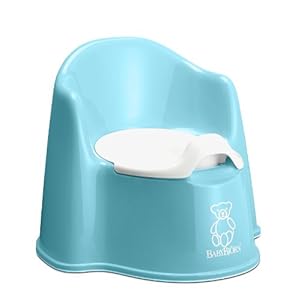
Pick up a potty chair with the child. A simple potty chair is best. No fancy gadgets with bells, lights and sound effects. No toilet paper holder. No book rack. Just. A. Potty. Chair.

Good luck hope you succeed..!! 

Read the information and more on potty training tricks book:
Potty Train in Three Days & No Cry Potty Training Solution  

Monday, May 19, 2014

Potty Training Girls - Potty Training Process


What is the right time frame for potty training? 

In a nutshell: we believe when you are ready! I know some parenting experts may disagree with me, however I believe potty training can be done like anything else, that’s why is called training. Unlike other developmental milestones, kids are programmed with one-of-a-kind schedules — some say it's crucial to let your child set the pace for when to start potty training, and I attend to some degree, however I also believe it is crucial to train your child as early as possible for several reasons:

·      School
·      Camps
·      Play dates
·      Development
·      Savings
 
If your child is past eighteen months you can probably look for some of the following potty-training
readiness signs:

1.    Changing fewer wet diapers
Until about eighteen months, kids pee so frequently that expecting them to control their bladders is probably unrealistic. But a toddler who stays dry for an hour or two at a stretch — and occasionally awakes without wetness — is physically ready for potty training, however knowing that practice makes perfect I suggest use the frequent potty breaks to teach your child instead of changing diapers.

2.    Your child's bowel movements are predictable

Whether your child has a BM in the morning, after meals, or right before bed, “a regular rhythm will help you anticipate when to pull out the potty — and thus boost his likelihood of success” some experts say, however what I say is use diet, rest and patience to get your child to have regular BM as well as get the timing just right, after all do you have a BM at the same time every day?

3.    Your child broadcasts bodily functions

Some children happily announce when a bowel movement is about to or through less-verbal means — say, by retreating to a corner or producing a preemptive grunt. No matter what the signal, if your child shows he's aware of his body's functions, he's ready for potty training, and I have some good news… your child did that the first time he/she had to pass a BM or urine.

4.    Your child despises dirty diapers

Every time your child has a meal, the child needs to use the bathroom and every time your child (as a baby mostly) cries because he/she is wet they communicate with you and you have an opportunity to train, however over time the child becomes desensitized and the diapers more absorbent. By the time your child reaches toddler stage or preschool stage he/she learn how to open the diaper and maybe even tell you they are dirty. As you can see the child communicates at every stage, however the parent needs to learn how to take initiative and start the training.

5.    He or She is able to perform simple undressing
If you would like for your child to be independent at potty training when nature calls, the potty won't be of much use unless your child can quickly yank down his trousers or underwear, and girls should be able to pull up their skirts in a flash, however if your child is younger and motor skills are still in development be of help, you will be glad you did.

6.    Your child understands bathroom lingo
Whether you prefer kid-friendly jargon like "poop" and "pee" or formal terminology like "defecate" and "urinate," your child's ready for potty training if he understands and is able to use the family's words for bathroom functions and any associated body parts.

7.    Your child demands a live demonstration
If your child has toileting on the brain, he'll want to see how the experts do it. So don't be surprised if your little one follows you into the bathroom to have a look.

Read the information and more on potty training tricks book:
Potty Train in Three Days & No Cry Potty Training Solution

Successful Potty Training Book