The prospect of potty training can be daunting - for both you and your
child! The main thing you need to consider is whether your child is
ready to be potty trained - if they are, then the whole process will be a
lot easier, not to mention faster. Read below to find out how to go
about potting training your child - with advice on everything from how
to know if your child is ready, to setting up an effective
potty-training schedule, to praising your child's successes and offering
appropriate rewards. Ready, steady, potty!
1. Preparing to Potty Train
Know when your child is ready
It is very important
that your child is developmentally ready to learn how to use the potty,
as this will make the process so much easier and faster. When a child is
ready to be potty trained will vary from child to child, and can be any
age from 18 to 36 months. In general, girls tend to be toilet trained
slightly earlier than boys - the average age for girls is 29 months,
whereas for boys it's 31.
- You can tell if your child is ready to potty train by looking out for the following signs:
- Showing an interest in the bathroom and how other people use it.
- Good motor skills - including the ability to walk to the bathroom, climb steps and pull down pants.
- Good language skills - being able to understand instruction and
toilet-related words as well as the ability to communicate a need to go.
- Predictable bowel movements and an ability to keep a diaper dry for more than two hours.
- An understanding - through words or facial expression - of when they need to urinate or have a bowel movement.
- A desire to please parents and act like a grown up.
- You should never push your child to potty train if they are not
ready - they will only resist you and the potty training process will be
frustrating and time-consuming. Give you child another month or two and
you will find it much easier.
- It has also been proved that one of the most effective ways to potty
train, is to start the process way before the physical process starts,
with games and activities to prepare them for the general idea.
Understand that the potty training process will take time
The number one thing you need in order to successfully potty train your
child is patience!
Potty training is a process, it does not happen
overnight. You and your child will need to work on it together and
overcome any accidents and setbacks. Although you hear of some parents
who potty train their child over the course of a single weekend, it is
completely normal for the training process to take up to six months.
- Try to be as consistently upbeat and encouraging with your child as
possible and deal with any accidents calmly. Remember that no child is
going to graduate high school in diapers - they will get there!
- You should also be aware that although your child might be fully
potty trained during the day, it is common for children to continue
wetting the bed at night until the age of five. They should be able to
stay completely dry by the age of six, but until that time be prepared
to use pull-ups and plastic sheets at night.
Get the right equipment
A training potty is the
easiest and least intimidating option for a child new to
potty training.
You can get all sorts of cute potties, some in the shape of your
child's favorite cartoon characters. These are a good choice as you want
your child to feel as comfortable as possible with the potty and
enthusiastic about using it. You should also consider getting a potty
with a removable seat, which you can place on the toilet once your child
is ready.
- If you decide to use the toilet from the beginning, make sure to get
a step stool for your child so their feet feel firm and secure while
sitting on it. This will make them feel more stable and help eliminate
the fear of falling in.
- Consider placing the potty in the playroom or living area to begin
with. This will help your child to get comfortable with the potty and
less intimidated by the prospect of using it. They may also be more
inclined to use it if it's within easy reach.
Choose the right time
Choosing the right time to
potty train can make a huge difference in your chance of success. Avoid
trying to potty train if your child has recently gone through a period
of change - such as the arrival of a new sibling, moving to a new house
or starting at a new day care - as these things can be stressful for a
child and
potty training will only add to that stress.
- Choose a period when you can spend long periods of time with your
child at home - so they will feel comfortable and secure with their
environment and always have you there for encouragement and support.
- Many parents choose to potty train their children over the summer
months - not only because they tend to have more free time to spend with
their children, but also because their child will be wearing less
layers of clothing, which makes getting to the potty on time much easier
for the child.
Set a schedule
Setting a schedule can help turn
potty time into a routine, which will help your child adjust to their
new responsibility and help them to remember to go all by themselves. To
start off, try picking two to three times a day when you will put your
child on the potty and let them sit there for a few minutes. If they use
it, that's great, but if not don't worry about. You just need your
child to get used to the feel of it.
- To encourage your child to go, try to pick times when he/she is most
likely to need the bathroom, like first thing in the morning, after
mealtimes and before bed. You can also give your child extra liquids
with their meals if you like, as this will help to get their digestive
system going.
- Make potty time part of your child's bedtime routine - they put
their pajama's on, wash their face, brush their teeth and go to the
potty. They'll soon remember to go all by themselves.
2. Getting Your Child Comfortable with the Potty
Introduce your child to the potty
Let your child get
comfortable with it, so they understand that the potty is not an
intimidating or scary thing at all. Put the potty in their play area,
where they can sit on it fully clothed, while reading a book or playing
with toys. Once they've grown accustomed to or even fond of the potty,
you can move it to the bathroom.
- Use some games, stories, activities, and apps to introduce them to the idea of toileting, too.
Show your child how to use it
Your child next needs to understand what the potty is actually
for.
To explain it, try taking your child's dirty nappy and popping its
contents into the potty. Tell them the potty is where the "poop" and
"pee-pee" goes. Alternatively, you can put the contents of the nappy in
the toilet and let them wave goodbye as it flushes away.
- You can also demonstrate how the toilet is used by bringing the
child into the bathroom with you when you need to go. Have them sit on
the potty as you sit on the toilet and show them how it's done. With any
luck, this will encourage them to use the potty like a "big by" or "Big
girl".
- If possible, little boys might be better off going to the bathroom
with Daddy, to avoid being! However, you should forget about teaching
boys to pee standing up just yet, as this can be confusing for them (not
to mention messy). For now, have them sit on the potty for number ones
as well as number twos!
Let your child sit on the potty for at least 15 minutes a day
Let your child get accustomed to the potty by letting them sit on it
for five minutes, three times a day. Encourage them to go, but don't
worry if they don't. Praise them for trying and let them know that they
can try again later.
- If they're impatient to get off, try giving them a book or toy to play with so the potty doesn't feel like a punishment.
- Never force your child to sit on the potty if they don't want to -
you'll only cause further resistance which can upset the whole training
process.
Use the right toilet-related words
Try not to
confuse your child by using vague or obscure words to describe the act
of using the toilet or the names of particular body parts. Use easy,
straight-forward, child-friendly words like "pee", "poop" and "potty"
when speaking to your child.
- Never use words like "dirty" or "disgusting" to describe natural
bodily processes, as this can cause your child to feel ashamed or
embarrassed about their actions, which can negatively-impact the potty
training process.
- If a child feels anxious or embarrassed about using the potty, they
can start to hold everything in - which can lead to health problems such
as constipation and urinary tract infections. For this reason, it is
very important that a child feels comfortable with using the potty.
- Being open with your child will give them confidence and let them
know that they should feel proud of themselves for using the potty
correctly.
Stay with your child while they use the potty
Children can feel extremely anxious about using the potty for a variety
of reasons - if they are using the toilet they can be afraid of falling
in or scared of the flushing noise that the toilet makes. Other children
may see their bowel movements as part of themselves, which they feel
they are losing by using the potty. For this reason, it is important
that you stay with your child at all times while they are on the potty,
at least at first.
- Smile at your child, give plenty of praise, and use a calm, soothing
tone of voice at all times. You can also try singing songs or playing
games with your child while they're on the potty, so they come to see
potty-time as a fun activity, rather than something to be feared.
Read potty-themed picture books
Many parents have
found books dealing with the subject of potty training to be an
extremely helpful tool in teaching their child how and why they should
use the potty. These books are often humorous and encouraging, with
engaging pictures which children can relate to.
- Get your child involved in the reading process by asking questions
and getting your child to point out certain items in the pictures. Then
once you've finished reading, ask your child if they'd like to try using
their potty, just like the little boy or girl in the book.
- Some popular potty-related books include "Once Upon A Potty" by
Alona Frankel, "Everyone Poops" by Taro Gomi, and "I Want My Potty" by
Tony Ross.
3. Creating Good Habits
Learn your child's "need-to-go" signals
If you can
learn to read the signs that your child needs to use the bathroom, then
you can get them to the bathroom quickly and encourage them to use the
potty instead of going in their diaper.
- Common signals that a child needs to use the bathroom include: a
change or pause in activity; squatting; clutching at their diaper;
grunting; turning red in the face.
- You can help your child to recognize these signs themselves by
asking them "Do you need to use the potty?" or "Do you need to poop?" as
soon as you notice the warning signs. Encourage your child to tell you
whenever they feel like they need to go.
- Be aware that some children will be reluctant to stop what they're
doing, especially if they are playing and having fun, just to use the
potty. You will need to encourage them and give them lots of praise to
make it seem worth their while!
Let your child go nappy-free for an hour or two a day
Many parents recommend the technique of removing a child's diaper and
letting them run around the house naked for a couple of hours a day.
They will enjoy the feeling, while also learning to recognize their
body's "need-to-go" signals, without the safety net of a diaper.
- Be aware that you will have accidents if you decide to employ this
method - but an accident (or five) may be just what your child needs to
realize the importance of using the potty!
- Don't act cross or disappointed when your child has an accident -
just clean it up calmly and reassure your child that they'll make it to
the potty on time next time. If you scold them, they may become anxious
about using the potty and start holding.
- Many parents dislike using pull-up diapers because they are now so
absorbent that a child cannot tell if it is wet or not. Without some
feeling of discomfort, they will not be able to learn their body's
signals and make it to the bathroom on time. If the child is naked, or
wearing cloth underwear however, there will be no mistaking the need to
go!
Make using the potty part of the morning or nighttime routine
Using the potty needs to become a normal and natural daily activity for
your child, and the best way to make this happen is to incorporate
potty time into their pre-existing daily routine.
- Sit them on the potty after they brush their teeth each morning, or
before their nightly bath. Do this every day and night, without fail,
and your child will soon be hopping on the potty all by themselves!
Show your child how to wipe correctly and flush the toilet
Instruct your child on how to wipe themselves properly with toilet
paper before they hop off the potty. Make it easier for them by always
leaving a roll of toilet paper (maybe the decorated kind!) beside the
potty. This is particularly important for girls in particular, who
should wipe from front to back to avoid spreading bacteria.
- They will probably still need help wiping for some time, especially
after a number two, but is good to get your child into the habit of
trying.
- Once they are done, let your child do the honors of flushing the
toilet and wave goodbye or cheer as everything gets flushed away.
Congratulate your child on a job well done!
Remind your child to wash their hands after they use the potty
Children are usually impatient to get back to the important business of
playtime once they are finished with the potty, but you must make sure
to emphasize how important it is for your child to wash their hands
before leaving the bathroom.
- To encourage hand washing, get your child a step stool so they can
easily reach the sink and buy some kiddy's anti-bacterial soap in a
bright color that they will enjoy using.
- Teach your child to sing a song while they wash, so they will not be
tempted to wash too quickly. Get them to sing the alphabet when they
start washing their hands and tell them they can only stop when they get
to the letter Z!
4. Dealing with Successes and Setbacks
Praise your child for trying
The most important
thing you can do for your child during potty training is to offer
endless encouragement, regardless of whether they succeed in using the
potty or not. Praise them for every little success - from telling you
when they need to go, to pulling down their own pants, to sitting on the
toilet for a full minute. Even if they don't end up going, tell your
child well done for trying and remind them that they can try again
later.
- Just be careful not to over-encourage your child. Offer
praise in a calm voice and don't get over-excited. Being too
over-the-top with your encouragement is it's own form of pressure and
may cause your child to feel anxious about pleasing you.
Offer rewards for small successes
Many children
respond well to incentives or rewards for using the potty. What kind of
rewards you decide to offer will depend on both your parenting style and
what your child responds to. Some ideas are outlined below.
-
Food: Some parents use candy as a reward for successfully using
the potty. For instance, you could give your child three mini M&M's
or a jelly worm every time they manage to go in the potty. Other parents
are wary of offering food as a reward, as they believe it might affect
their children's eating habits in future.
-
Star Charts: Another common in motivator is for parents to create
a star chart, where a child is given an additional gold star for every
time they successfully use the potty. Sometimes the gold star is
motivation enough in itself, while other times parents offer additional
rewards if a child reaches a certain number of stars by the end of the
week - such as a trip to the park or an extra story at bedtime.
-
Toys: Another good option is to buy a small set of toys (nothing
big - maybe just a collection of toy cars or plastic animals) and let
your child choose one every time they use the potty.
-
Piggy Bank: Some parents offer their children monetary incentives
to use the potty! Put a piggy bank in the bathroom and pop a penny in
every time your child uses the potty. Once it's full your child can cash
it in to buy some treats, like an ice cream or a ride on the machines
at the mall.
Share the good news
A great way to encourage your
child to take pride in using the potty, is to let them boast about it to
a friend or family member. Make a big deal of them being able to tell
Mommy or Daddy about how well they did with the potty when he or she
comes home at the end of the day. Or else give grandma or Uncle Joe a
heads up and let your child ring them to tell them the good news.
- Getting positive, encouraging reactions from someone other than you
(the potty trainer) will impress upon your child how good it feels to
"be a big boy/girl."
- Another trick parents use is to rope in a friend or family member to
portray their child's hero or favorite cartoon character over the
phone. It could be Dora the Explorer, Spiderman or Barney the Dinosaur -
whoever your child likes. Telling their hero about their potty training
successes and getting praised in return will make them feel proud as
punch!
Don't scold your child when they have an accident
Scolding and giving punishments are major no-nos when it comes to
potty training. Remember that your child has only recently developed the
ability to recognize and control their bladder and bowel movements, and
they are still getting the hang of things. They don't intentionally have
accidents just to annoy you or cause you extra work.
- As mentioned before, scolding a child for having an accident or
failing to use the potty can cause them to develop anxiety around the
whole issue. This anxiety may cause them to start trying to hold
everything in, which just causes further accidents and may lead to both
health and psychological problems done the line.
- If your child has an accident reassure them that it's okay and that
they will make it to the potty next time round. Let them know that
you're proud of them for trying and that you'confident that they will
soon be using the potty just like a big boy or girl.
Have patience
Potty training can be a stressful and frustrating time for parents, but remember that it is only temporary and your child
will
get the hang of it sooner or later. Don't start panicking about whether
your child has development issues if things aren't going well. When
your child is ready, they'll pick it up just fine.
- If your child just doesn't seem to be getting the hang of it, the
best thing to do might be to give potty training a break for a month or
two and then try again.
- Remember, some kids don't become fully potty trained until they're three - and that's perfectly normal!
 5. Taking Potty Training to the Next Level
Let your child pick out some "big boy" or "big girl" underwear
Once your child is doing well and using the potty consistently you can
bring them shopping to pick out some "big boy underpants" or "big girl
underwear" together. They will feel so proud and grown up wearing them,
it will make you smile! Let them wear the underwear at home, though you
may want to continue using diapers or training pants at night or when
you're on the go, as accidents
will happen.
- Cloth underwear will actually help your child with their training,
as they will be able to tell when the underwear are wet - something
which is not so easy with absorbent diapers.
- They will also be so pleased with their new underwear that they will
be reluctant to get them wet, and therefore more diligent about keeping
them dry!
Take the potty on the road
Getting the hang of using
the potty or toilet at home is one thing, but strange, unfamiliar
bathrooms can be intimidating to a child and they may refuse to use
them. You can overcome this, and avoid putting your child back in
diapers if you're trying to phase them out, by bringing the potty with
you while travelling. Potty's with removable seats are great for this,
as you can pop them onto the seat of any toilet to recreate your child's
comfort zone!
Teach your boy to pee standing up
Once your little
boy has got the hang of peeing sitting down, it's time for him to master
the art of doing it while standing up. Daddy can help with this one, by
showing his little man how it's done. Just be aware that little boy's
aim is not usually the greatest and you can expect some interesting
attempts at making it into the bowl.
One great method some parents use for training their boys how to get
their pee in the bowl is to put some Cheerios or Fruit Loops in the
toilet bowl and tell their son to aim directly for them. This turns it
into a fun game which appeals to most boys' mischievous side!
Let babysitters and teachers know
Your potty
training efforts will be undermined if your child is not being
encouraged to use the potty by babysitters or child minders. Take the
time to talk to anybody who frequently cares for your child - whether
it's grandparents or the employees at your child's day care - and
politely explain how important it is that they keep up your child's
potty routine.
- Tell them about your child's normal schedule, along with the words
you use to refer to any potty-related activities, and ask them to follow
the same lines. This will prevent your child from becoming confused and
your potty-training routine from being disrupted.
- Always send a spare change of clothes, some wipes, and a few
emergency diapers or training pants with your child whenever they are
away from home. This will make things easier on the caregivers and help
your child to feel less embarrassed about any accidents.
When your child is ready, progress to night training
When they are dry or fairly dry most days, your child may be ready for
nap and night-training. If so, invest in some bed pads (you'll want at
least 3 so you can change them easily) and put one on top of the bottom
sheet on your child's bed. Look for the kind that have a soft layer on
top and a plastic layer underneath. When that's done, put the potty next
to the bed when your child goes to bed or goes for a nap.
- Leave your child's bedroom door open and encourage them to call you
if they wake up needing to go. If they do, put them quickly on the potty
and praise them for doing so well.
- If they go in the bed, change the pad and don't make a big deal of
it. Deal with it calmly and matter-of-factly and reassure your child
that it's okay. Remember that children may reach the age of six before
they stop having accidents at night-time.
Advice I give such children potty training products specifically for your child, so that a great motivation to carry out air training.
Our following products are already many who use aliases already proved successful in the toilet training of children:
- Safety 1st Comfy Cushy 3 in 1 Potty - More Details
- Disney Pixar Car 3 in 1 Potty Trainer, Red - More Details
- Summer Infant Step-By-Step Potty Trainer and Step Stool - More Details
- 3-in-1 Toilet Trainer Potty Seat - More Details
- Safety 1st Pink Musical Talking Potty - More Details
- Fisher-Price Cheer for Me Potty - More Details
- Summer Infant All-in-One Potty Seat and Step Stool, Blue - More Details
- Primo 4-In-1 Soft Seat Toilet Trainer and Step Stool White with Pastel Blue Seat - More Details
- BABYBJORN Toilet Trainer - White/Black - More Details
- Sesame Street Abby Cadabby Magical Potty Chair, Fuchia - More Details
Read the information and more on potty training tricks book:
Potty Train in Three Days & No Cry Potty Training Solution


 Children require guidance and direction. They require to be shown what to do over and over again before it finally clicks for them. Repetition is important.


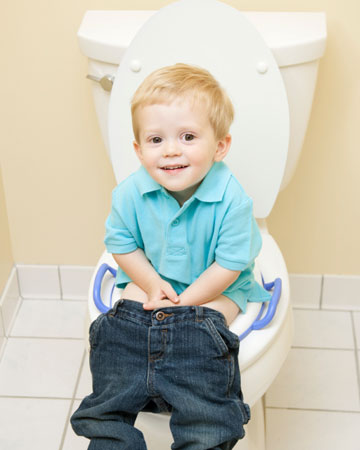


How To Potty Train a Toddler and Rid Your Child of Diaper Dependence